By Sublime 360 Media Editorial Team · Updated 2026-10-02
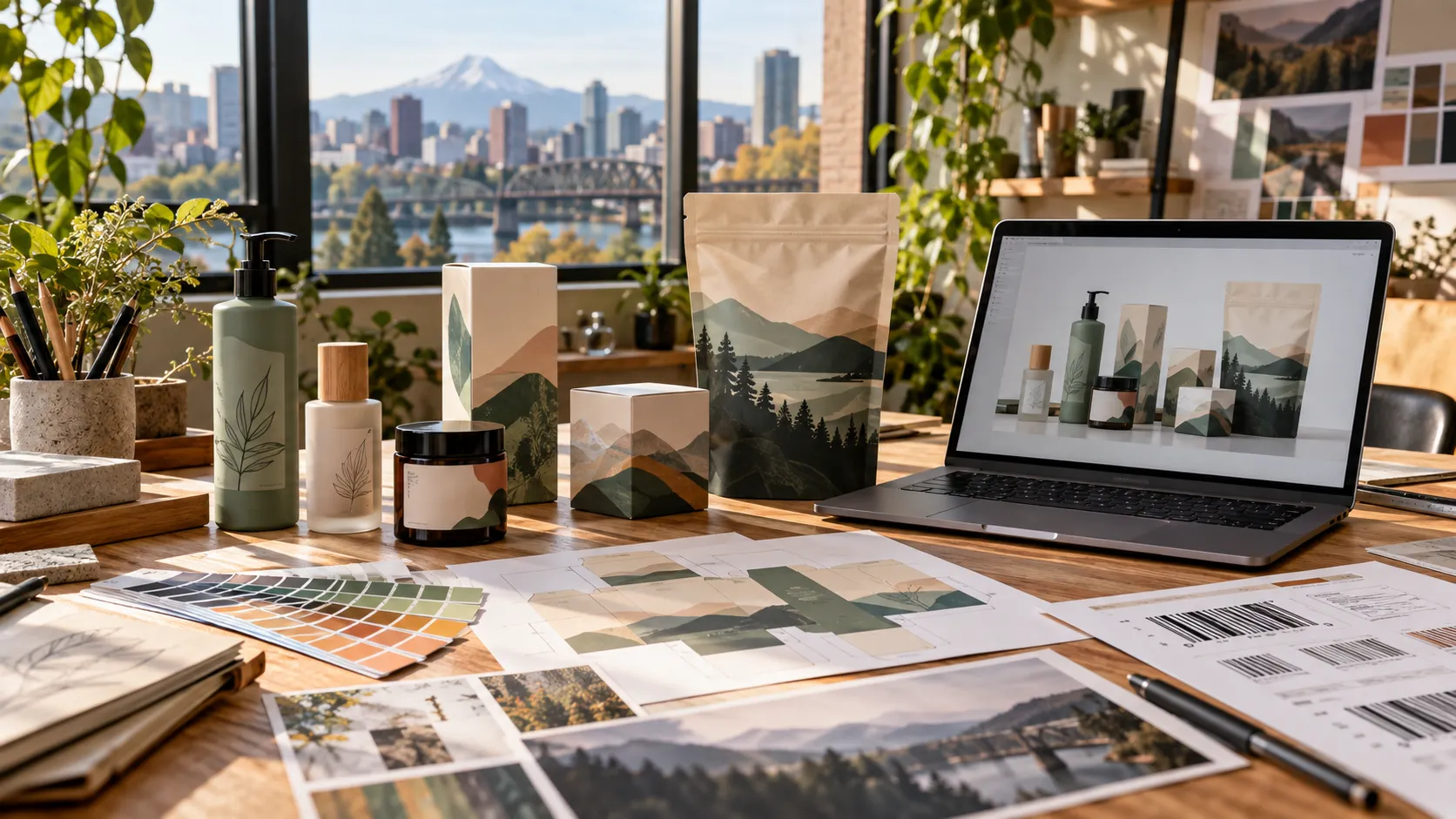
Effective product packaging and label design starts with print-accurate proofing. Design files often look flawless on screen yet fail to match Pantone colors or barcode scan requirements once printed. Best practices include testing materials for shelf durability, aligning visuals with brand identity, and verifying regulatory compliance before committing to a full production run.
Key Takeaways
Strategic label design communicates brand identity, product benefits, and regulatory compliance across all customer touchpoints.
Effective packaging integrates visual hierarchy, typography, color systems, and brand consistency to strengthen recognition and perceived value.
Professional label design requires understanding target audience, competitive positioning, production specifications, and printing requirements for accurate execution.
Cohesive packaging design connects product presentation, brand guidelines, customer experience, and sales objectives into a unified visual system.
Why Does Packaging Design Make or Break Shelf Success?
Shelf success depends on a package that communicates brand value in seconds and holds up through manufacturing. Design tools have made it easier than ever for anyone to produce a label that looks polished on screen, giving new brands a real advantage when getting started. That advantage disappears quickly if the underlying strategy stops at the screen.
A label that looks flawless in a design file may not be ready for production due to potential color mismatches. Files that ignore color accuracy, materials, or die-cut shapes often fail once they reach a print run. Retail buyers and shoppers alike notice the gap between a polished mockup. A package that actually performs on a crowded shelf.
Turning a concept into shelf-ready reality requires a shift in how brands think about packaging from the very first sketch. This is where packaging design portland businesses rely on structured strategy rather than trial and error. A product packaging designer portland teams bring in should treat brand consistency, print specifications, and shelf impact as interconnected priorities.
What makes a package succeed at the shelf level?
Success comes from originality paired with strategic relevance, not decoration alone. Creative work behind packaging and label design portland projects should maintain visual sophistication and brand consistency across every touchpoint, from the label face to the final print run.
Weak Approach | Strong Approach |
|---|---|
Design finalized on screen only | Design validated for print and materials |
Package treated as an afterthought | Package conceived alongside brand strategy |
Generic templates | Original, brand-specific creative |

What Elements Belong In A Label Design?
Five technical elements determine whether a label design succeeds on a physical product: color accuracy, material selection, adhesive type, die shape, and file setup. Each element interacts with the others, and a mismatch in any one can undermine an otherwise strong concept before it ever reaches a shelf.
Color deserves attention first. A hue that looks correct on a monitor can shift once printed, depending on the substrate and printing method used. Material choice follows closely behind: glossy stock, matte finish, and clear film each interact with color and texture differently, changing how a product reads to a shopper standing in an aisle.
Adhesive strength and die shape are equally consequential. A label that peels at the edges or fits awkwardly around a curved bottle undermines the professionalism the design was meant to project. File setup ties everything together. Incorrect bleed, resolution, or color mode can derail production regardless of how polished the artwork appears on screen.
What Makes A Label Design Production-Ready?
A production-ready label design accounts for the physical realities of printing and application, not just the visual layout. Files must be built to the correct specifications for the chosen printer. Material, with accurate color profiles and die lines included from the start.
For Portland-based brands, packaging design portland work benefits from this same discipline. A product packaging designer portland businesses trust brings labeling into a broader visual identity system, aligning typography, color, and print collateral so packaging reflects the same standards applied across a company’s marketing materials. Sublime Brand Identity Package offerings extend this consistency from logo through packaging, giving product teams one coordinated source for label design portland projects and the print-ready files that support them. Businesses exploring a packaging refresh can Request a Call-Back to discuss project requirements.
How Should Packaging Reflect Brand Identity?
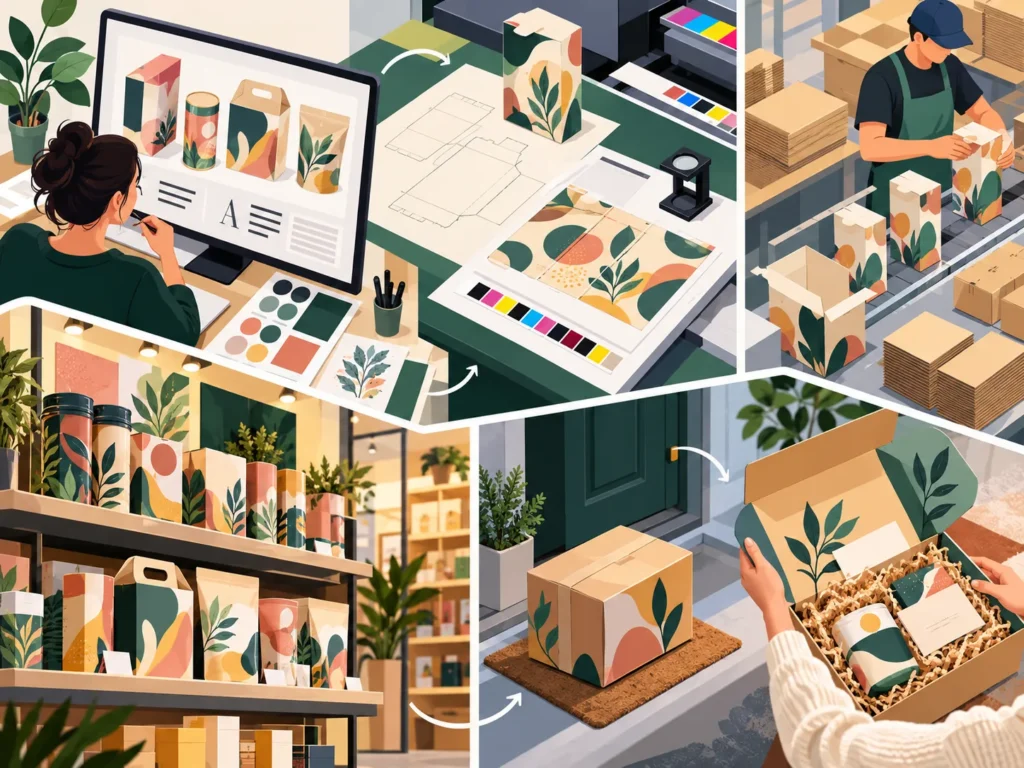
Packaging reflects brand identity when its physical form mirrors what the product actually does. Strong packaging design portland strategy matches brand identity with function, the same principle that makes smartphone packaging instantly recognizable: the box fits in the palm of a hand, just like the device inside.
That kind of alignment does not happen by accident. Crisp, precise execution, clean edges, tight tolerances, and deliberate proportions, signals quality without a single word of copy. For companies competing on retail shelves, this reads as both premium and familiar to the intended buyer, which builds trust before a customer ever opens the box.
What Makes Packaging Feel On-Brand?
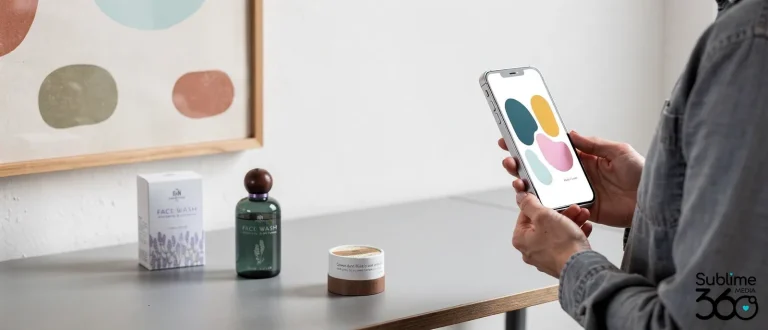
Packaging feels on-brand when materials, proportions, and finish echo the product’s own character rather than working against it. A tech product benefits from tight edges and minimal ornamentation. A food or wellness product often calls for warmer textures and softer lines. The goal stays consistent across categories: form should communicate function before a customer reads a single word.
Established businesses often discover their packaging no longer matches where the company has grown. When an existing identity stops reflecting current quality, direction, audience, or ambitions, packaging is usually the first place that mismatch becomes visible to customers. A product packaging designer portland brands trust can diagnose that gap and correct it.
Sublime 360 Media builds and modernizes brand identities so packaging. label design portland businesses use on retail shelves actually represents the company behind it. Services range from:
Brand strategy and positioning work
Visual identity systems, including color, typography, and logo
The Sublime Brand Identity Package, built for companies ready to unify packaging with the rest of their brand
Business owners weighing a packaging refresh can Request a Call-Back to discuss what alignment looks like for their product line.
Where Packaging Meets E-commerce And Retail?
Online stores and physical shelves demand different things from a package, yet both depend on the same design foundation. E-commerce brands need packaging built for unboxing moments. Retail products need to command attention in a crowded aisle within seconds. A capable product packaging designer portland businesses trust understands how to satisfy both without compromising either.
Businesses launching online stores, retailers building a stronger digital presence, and brands selling direct to consumers all share one dependency: packaging shapes the customer’s first physical impression. That impression forms during unboxing, on a doorstep, or on a shelf between competitors. Product presentation, trust, and brand consistency matter at every one of those touchpoints, not just one.
Does packaging design differ for online sales versus in-store retail?
Yes, though the underlying brand system should stay consistent across both channels. Online packaging often emphasizes the unboxing sequence, protective structure, and social-media-ready presentation. Retail packaging leans harder on shelf visibility, quick shopper comprehension, and standing apart from neighboring products.
Strong packaging design portland projects account for this dual demand rather than treating it as an afterthought. A cohesive strategy typically addresses:
Shelf impact for in-store visibility and quick brand recognition
Unboxing experience for online orders and direct-to-consumer shipments
Structural durability across shipping and handling conditions
Consistent label design portland brands can apply across every SKU and channel
Packaging, branding, and product presentation work best as coordinated parts of a broader business strategy, not standalone deliverables. That alignment protects conversion rates and brand trust wherever the product lands, whether that’s a doorstep or a display shelf.
Who Should Design Your Next Packaging Project?
Business owners weighing a packaging design portland project need a partner who combines creative range with measurable experience, not just software skill. Sublime 360 Media brings more than 20 years of professional experience. Over 800 completed projects to every branding and packaging decision. That track record matters when a label or box design has to perform on a crowded retail shelf, not just look good in a mockup.
A boutique structure changes how the work gets done. Rather than splitting a project across disconnected departments, clients work with a team that carries creative continuity from concept through final files. This personal attention gives product managers and marketing directors more flexibility to adjust direction mid-project without losing momentum or restarting conversations with new staff.
Geography matters too. Sublime 360 Media serves businesses throughout Lake Oswego and the surrounding Portland metropolitan area, including West Linn, Tualatin, Tigard, Beaverton, Sherwood, Wilsonville, Milwaukie, and Oregon City, giving regional brands a product packaging designer portland teams can meet with directly.
What Should a Business Look for Before Hiring a Packaging Designer?
Portfolio evidence should come first. Demonstrated creative capabilities, documented client outcomes, and prior packaging or label design portland work all substantiate a designer’s expertise before a contract is signed. Businesses should ask to see finished packaging, not just concept sketches. Production-ready execution separates a usable design from an idea that looks good only on screen.
Consider these factors before choosing a design partner:
Depth of experience across branding, print, and packaging categories
Local availability for in-person collaboration
A documented portfolio of completed, shelf-ready projects
Businesses ready to move forward can Request a Call-Back to discuss project scope. Explore the Sublime Brand Identity Package for a coordinated approach to branding and packaging.
FAQ
Why does packaging design fail even when it looks perfect on screen?
Design files often look flawless on screen yet fail to match Pantone colors or barcode scan requirements once printed. Screen colors shift depending on the substrate and printing method used in production.
What technical elements matter most in label design?
Color accuracy, material selection, adhesive type, die shape, and file setup determine label success. These elements interact with each other, so a mismatch in any one undermines an otherwise strong concept.
How does material choice affect a label's shelf appearance?
Glossy stock, matte finish, and clear film each interact with color and texture differently. This changes how a product reads to a shopper standing in an aisle.
Conclusion
In closing, effective packaging and label design transcends aesthetic appeal to function as a strategic business asset that communicates brand identity, builds consumer trust, and influences purchasing decisions at the critical moment of sale. When packaging design aligns with your broader brand strategy, visual identity, and market positioning, it transforms a functional container into a powerful marketing tool that differentiates your products, reinforces your competitive advantage, and supports sustainable business growth across retail and e-commerce channels.
 Ready to get your free website audit?
Let’s co-create something magnetic. Book a free discovery call today