A business website redesign should begin with a business case, not a visual mood board. Before changing colors, layouts, or technology, define what the current site is failing to do and what the redesigned site must accomplish. Effective website redesign planning connects user needs, content, search visibility, technical requirements, and measurable business outcomes so the finished website performs as a business asset rather than simply looking newer.
Define the audience and business outcome
Start by identifying the people the website must serve and the decisions you want them to make. A redesign for a professional-services firm may need to generate qualified consultation requests, while an ecommerce site may need to improve product discovery and checkout completion. Those are different projects even if both involve a visual refresh.
Questions to answer before design begins
- Who are the primary and secondary audiences?
- What problem brings each audience to the website?
- Which actions matter most: calls, quote requests, purchases, downloads, or appointments?
- Which current pages contribute to those actions?
- What would make the redesign successful six months after launch?
Write the outcome in language the project team can evaluate. “Modernize the website” is subjective. “Make services easier to understand, reduce mobile friction, protect organic traffic, and increase qualified inquiries” gives designers, developers, and marketers something concrete to work toward.
Review current website performance
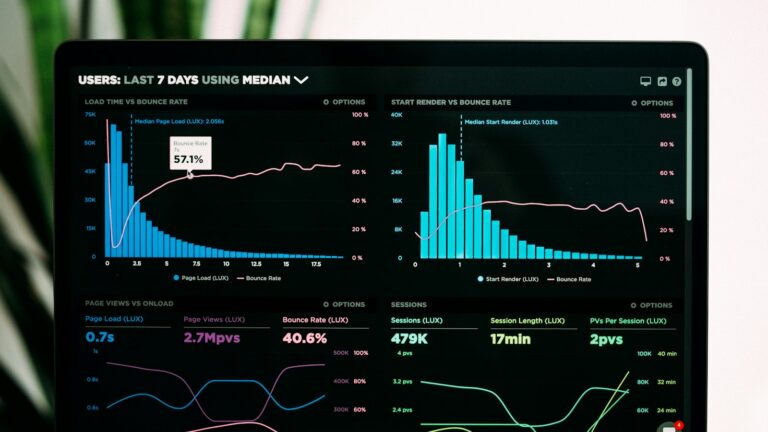
A redesign should preserve what already works. Review analytics, search performance, lead sources, high-traffic landing pages, conversion paths, device usage, and frequently visited service or product pages before deciding what to remove or rebuild. Customer-service questions and sales conversations can also reveal information visitors struggle to find online.
Look for patterns rather than isolated numbers. A page with modest traffic may still be commercially important if it attracts high-intent visitors. A visually outdated page may rank well and deserve careful migration rather than deletion.
Clarify project scope and deliverables
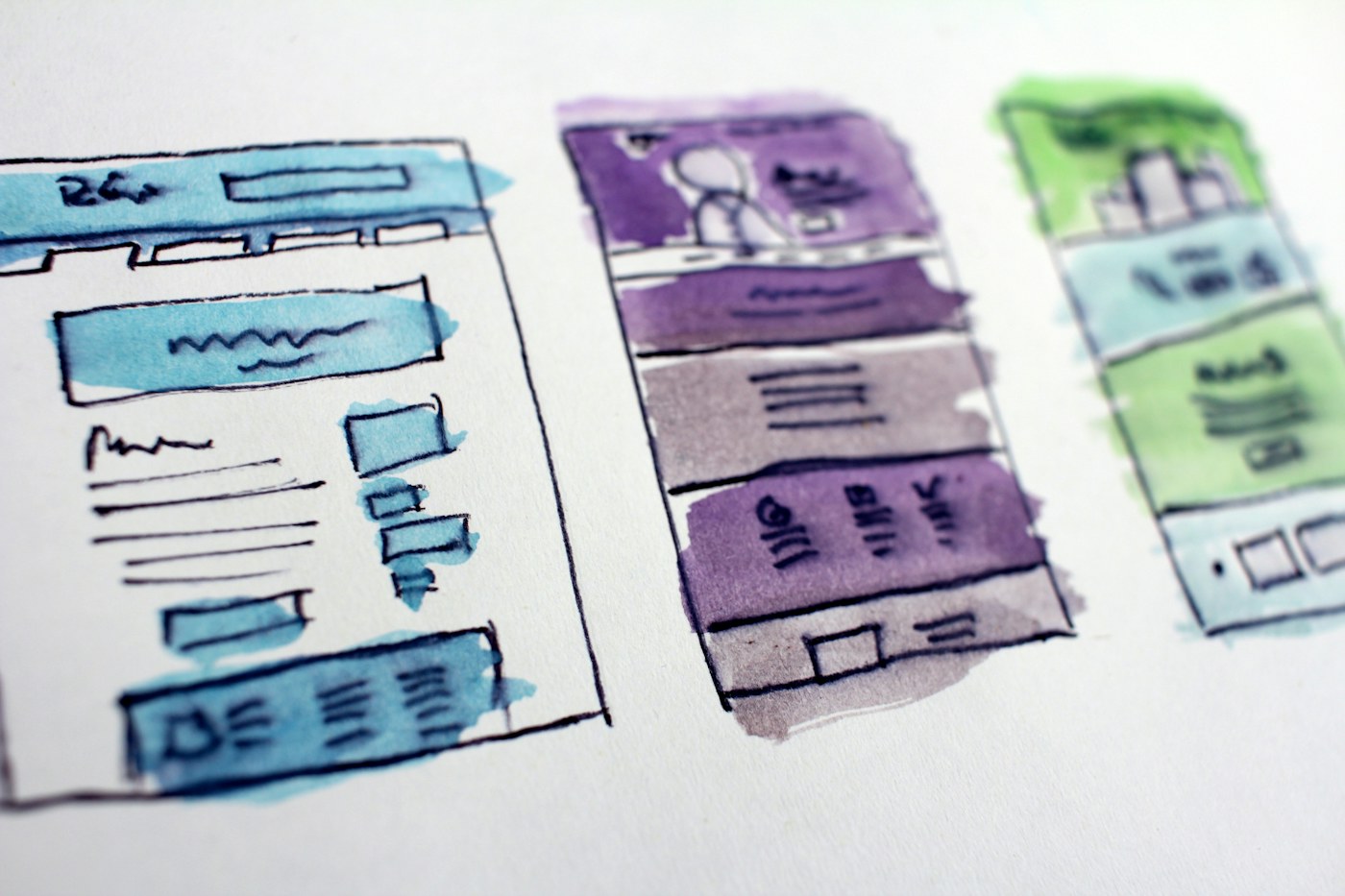
Scope problems usually begin when the word “website” means different things to different people. Document what the project includes before production starts. Define the number and type of page templates, whether copywriting is included, who supplies photography, which forms and integrations are required, and whether the project includes SEO migration, analytics, hosting, maintenance, or training.
Separate launch requirements from future enhancements
Not every idea needs to ship in version one. Create three groups: required for launch, valuable soon after launch, and future opportunities. This keeps the redesign focused and prevents lower-priority features from delaying the parts that directly affect customers and revenue.
Identify content and technical requirements
Design cannot compensate for missing content architecture. Create an inventory of existing pages, identify content that should be retained or consolidated, and map every important topic to a clear destination. Determine whether the site needs custom post types, ecommerce, booking, gated resources, CRM integrations, multilingual content, advanced search, or other functionality.
Technical planning should also cover performance, security, backups, analytics, accessibility, responsive behavior, browser support, and the content management experience for the people who will maintain the site after launch.
Evaluate the right partners and processes
A strong redesign partner should be able to explain how strategy, design, development, content, SEO, and launch quality assurance fit together. Review relevant portfolio work, but also ask how decisions are made. Beautiful screenshots do not reveal whether the agency protected rankings, built an editable site, documented redirects, tested mobile behavior, or supported the client after launch.
Ask practical process questions
- Who will be responsible for strategy, design, development, and quality assurance?
- How are revisions and approvals handled?
- How will existing SEO value be protected?
- Who owns the website, design files, domains, and third-party accounts?
- What happens after the website launches?
For businesses comparing options, Sublime 360 Media’s bespoke web design and development services provide a useful reference point for evaluating a strategy-led approach.
Plan realistic budgets and timelines
Budget should follow scope. A redesign that includes strategy, custom design, copy development, ecommerce, integrations, SEO migration, and photography requires more work than a small informational website using existing content. Build the budget around the outcomes and deliverables that matter rather than selecting a number first and forcing the project to fit it.
Timelines work the same way. Internal approvals, content collection, stakeholder availability, integration complexity, and revision cycles often influence the schedule as much as development does. Assign an owner on the client side who can consolidate feedback and make decisions promptly.

Protect search visibility and accessibility
SEO migration belongs in the redesign plan before launch. Preserve valuable URLs where possible, map changed URLs to appropriate 301 redirects, retain strong page topics, review titles and descriptions, and confirm that search engines can crawl the new site. Rebuilding a website without this migration work can erase visibility the old site spent years earning.
Accessibility should also be considered during design and development, not added at the end. Structure headings logically, maintain readable contrast, support keyboard navigation, label forms clearly, write useful image alt text, and test interactive elements on real devices.
Measure results after launch
A launch is a checkpoint, not the end of the redesign. Verify forms, analytics, redirects, indexing, page speed, mobile behavior, and key conversion paths immediately after release. Then compare results against the baseline collected before the project began.
Useful post-launch measures may include qualified inquiry volume, organic landing-page performance, engagement with priority services, ecommerce conversion behavior, page speed, form completion, and the amount of time the internal team spends maintaining the site.
Next steps
Before requesting redesign proposals, create a one-page project summary covering audience, business goals, required functionality, content ownership, must-keep pages, desired launch window, and the metrics you will use to evaluate success. That document will make agency conversations more productive and make proposals easier to compare.
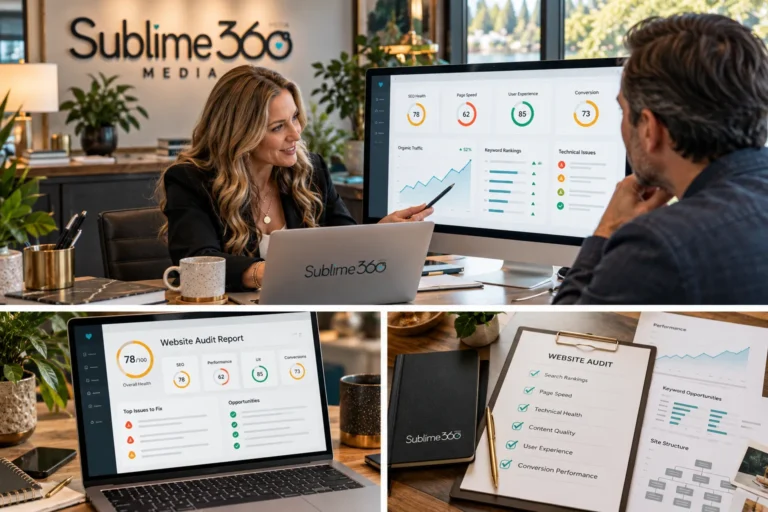
For a more tactical migration framework, review the Website Redesign Checklist: Portland Edition, then explore Sublime 360 Media’s custom web design and development services.
 Ready to get your free website audit?
Let’s co-create something magnetic. Book a free discovery call today